Decoding ‘makgeolli vs. soju’
Makgeolli and soju stand out as the go-to choices for many in Korea when it comes to alcoholic beverages.
Soju, that friendly companion that’s graced tables all over the nation, has been part and parcel of Korea’s modern and contemporary history, adding that extra flavor to the social scenes of everyday people.
On the other hand, despite its long-standing tradition, makgeolli has recently caught the attention of the younger crowd in Korea, injecting a fresh breeze of diversity into the drinking culture.
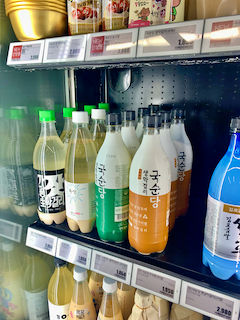
Now, let’s dive into the fascinating world of Korean liquor, where we’ll draw a comparison between two beloved traditional drinks: makgeolli (막걸리) and soju (소주).
These beverages, deeply intertwined with Korean culture, promise unique flavors and experiences that are bound to captivate your taste buds.
The unique flavors of makgeolli vs. soju
Makgeolli stands out with its mild sweetness, tanginess, and rice undertones, creating a refreshing and authentic experience. On the other hand, soju boasts a clean and neutral taste with subtle sweetness and additional complexity from botanical notes.
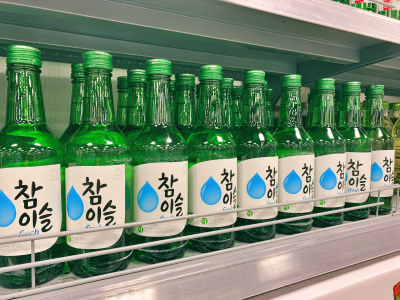
The choice between makgeolli and soju ultimately depends on individual preferences, with makgeolli offering a more nuanced and traditional profile, while soju provides a versatile and contemporary drinking experience.
Makgeolli flavor
Makgeolli offers a distinctive and nuanced flavor profile that sets it apart from other Korean spirits.
Mild sweeetness
Makgeolli is characterized by a mild sweetness derived from the fermentation of rice and nuruk. This sweetness is subtle and complements the overall flavor profile, making it an approachable option.
Tanginess
A pleasant tanginess accompanies the sweetness, giving makgeolli a refreshing quality. The fermentation process contributes to this tangy note, creating a well-balanced taste.
Rice undertones
The essence of rice is evident in its flavor, providing a natural and earthy undertone. This aspect enhances the authenticity of makgeolli, connecting it to its traditional roots.
Effervescence
Makgeolli’s natural effervescence adds a light fizziness, contributing to the overall drinking experience. This effervescence is a delightful characteristic that distinguishes makgeolli from still beverages.
Soju flavor
Soju, with its clear and neutral taste, presents a different flavor spectrum compared to makgeolli.
Clean and neutral
Soju is known for its clean and neutral flavor profile. It lacks the pronounced sweetness of makgeolli, making it a versatile spirit suitable for various drinking occasions.
Subtle sweetness
While not as sweet as makgeolli, soju may have a subtle sweetness that adds a touch of delicacy to its taste. This sweetness is often well-balanced, allowing for easy pairing with different dishes.
Botanical notes
Some variations of soju may feature botanical notes, providing a hint of complexity to the flavor. This can include herbal or floral undertones, contributing to the overall sophistication of the spirit.
Smooth finish
Soju is renowned for its smooth and clean finish, making it easy to sip on its own or mix into cocktails. The absence of strong, overpowering flavors allows the drinker to appreciate its versatility.
Cloudy makgeolli vs. crystal-clear soju
Makgeolli’s opaque white color gives it a rustic and traditional charm, emphasizing its connection to Korean heritage. On the other hand, soju’s crystal-clear appearance reflects a modern and versatile spirit, suitable for a wide range of drinking scenarios.
Color of makgeolli
Opaque white
The signature color of makgeolli is opaque white, resembling the appearance of milk. This cloudy nature comes from the presence of rice sediment and nuruk, creating a visually unique and instantly recognizable drink.
Creamy texture
The cloudiness gives makgeolli a creamy and textured look. When poured into a glass, it creates a visual experience that enhances the overall enjoyment of the beverage.
Natural hues
The white color is a natural outcome of the fermentation process, showcasing the simplicity and authenticity of the ingredients used, primarily rice, water, and nuruk.
Color of soju
Crystal clear
Soju is characterized by its crystal-clear and transparent color, similar to that of vodka. This clarity allows for a sleek and sophisticated presentation.
Versatile presentation
The clear nature of soju makes it adaptable to various consumption styles. It can be enjoyed neat, on the rocks, or as a base for cocktails, allowing its visual appeal to shine through.
Reflective of purity
The clear color symbolizes purity and cleanliness, aligning with the modern image that soju often represents in contemporary Korean drinking culture.
Ingredients for makgeolli vs. soju
Makgeolli ingredients
Makgeolli keeps things simple with just a few natural ingredients.
Rice
The main player here is rice, and the choice of rice variety can influence how the final makgeolli tastes.
Water
Good, clean water is crucial in the brewing process. It plays a significant role in shaping the overall flavor and quality of makgeolli.
Nuruk
This is like the magic ingredient – nuruk is a fermentation starter. It’s got enzymes that help break down starches into sugars, kicking off the fermentation process that gives makgeolli its unique character.
Soju ingredients
Soju, also rooted in tradition, opens the door to more ingredient possibilities.
Grains
Traditionally, soju is made from grains like rice, barley, or wheat. But these days, you might find soju made from sweet potatoes, tapioca, or even fruits.
Water
Like makgeolli, good water is key to making quality soju. It ensures a clean and crisp taste.
Enzymes and yeast
Making soju involves adding enzymes and yeast to convert starches into sugars, and then fermenting them. It’s a crucial step in making alcohol.
Neutral spirits
Some soju brands might throw in neutral spirits, adding a smooth touch to the final porduct.
So, in a nutshell, makgeolli keeps it old school with rice, water, and nuruk, sticking to the basics and celebrating tradition. Soju, while still embracing grains and water, gives a nod to variety, allowing for different starches and sometimes throwing in neutral spirits for that extra smoothness. Both drinks, each with its unique ingredients, share a special spot in the heart of Korean drinking culture.
Conclusion: makgeolli vs. soju – flavorful Korean liquors
Makgeolli and soju are alcoholic beverages with different charms and are representative of Korea’s diverse drinking culture. In any situation, these two drinks can create special moments. For Koreans, these two alcoholic beverages, where tradition and modernity coexist, have a special meaning not just as drinks but as part of culture. Enjoy makgeolli and soju to your heart’s content according to your taste and situation! Cheers!