Can makgeolli make you drunk?: Understanding alcohol content of makgeolli
Makgeolli is a traditional Korean drink that has been around for ages. It is created through rice fermentation, and its unique taste comes from the careful combination of ingredients, brewing techniques, and time.
Makgeolli is different from other alcoholic drinks because it has a moderate alcohol content ranging from 6% to 8%.
This moderate alcohol content is what gives makgeolli its smooth texture and distinct flavor profile.
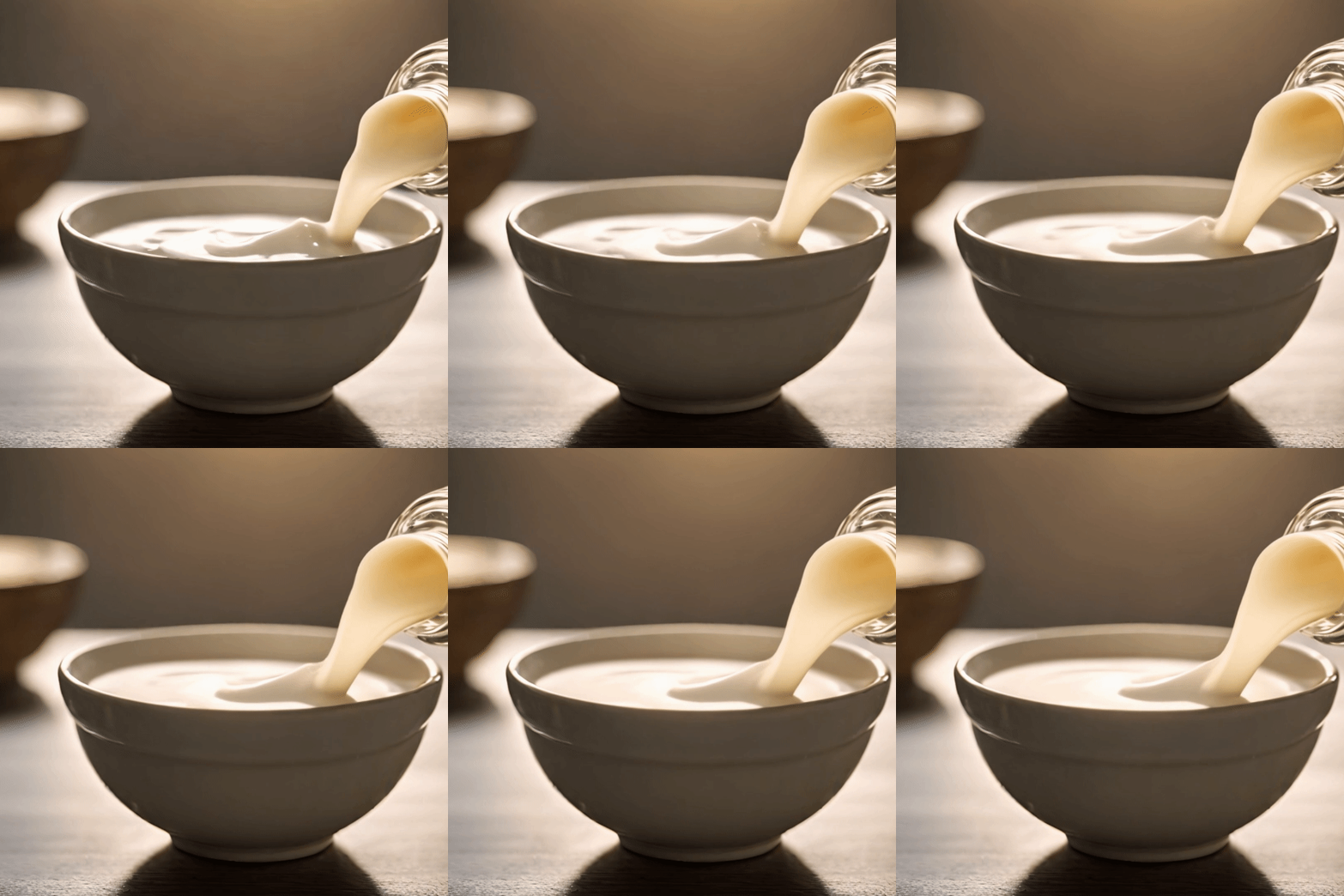
ABV 6%: A Mark of Makgeolli’s Distinct Identity
After the fermentation process, the alcohol content of makgeolli is around 15 degrees. Some makers choose to serve it at this level, with an alcohol content of 15-18 degrees, to provide a more potent experience.
However, to preserve the essence of makgeolli, it is essential to keep the alcohol content around 6 degrees.
This consideration is not just a matter of tradition but also ensures that the drink can be enjoyed in the traditional makgeolli glass and with the proper drinking etiquette.
Higher alcohol content may hinder the enjoyment of the drink, while using a different glass may affect the taste.
To achieve this delicate balance, water becomes the alchemist’s ally. Dilution of the makgeolli with water is the secret elixir that brings the final alcohol content down to a harmonious 6 degrees.
The taste of makgeolli is not only influenced by the yeast or grains but also by the water it comes into contact with.
In the case of makgeolli, the taste is primarily determined by water, not yeast(nuruk). In some regions, where the water has a unique taste, the makgeolli reflects this taste, creating a regional harmony of flavors.
Koreans believe that the quality of the water in a region is what makes the local alcohol taste good.
The history behind ABV 6%
According to the current liquor tax law in Korea, if the alcohol content is more than 3%, it is classified as ‘Takju’ (makgeolli).
Makgeolli sold commercially has an average alcohol content of 6%. It is higher than beer with an average of 4% and lower than wine with an average of 12%.
During the Japanese colonial period, the alcohol content of makgeolli was higher than this. Looking at the Takju analysis table from 1916 to 1939, the alcohol content varied from 6 to 12%.
There is an interesting reason why the alcohol content of makgeolli became 6%. Since 1949, due to the food shortage, the alcohol content of makgeolli was strictly limited to 6-8%.
When making alcohol with malt, take out the clear sake (about 15%) and filter it while pouring water through the sake lees. The alcohol content drops to less than half.
If you make alcohol with 10 kg of grain like this, 60 liters of makgeolli will be produced.
Then, as the challenge of soju with 25% alcohol content intensified in the liquor market, the alcohol content of makgeolli was raised to 8% in 1982.
However, sales did not increase, and in fact, as safety accidents occurred one after another due to workers drunk on makgeolli at construction sites, the percentage was set back to 6%.
Nuances of taste depending on makgeolli ABV
Makgeolli is a traditional Korean alcohol that is renowned for its rich and complex flavor profile.
The alcohol content of this beloved beverage plays a crucial role in determining its taste and texture.
Depending on the alcohol levels, makgeolli can either have a robust and intense flavor or a soft and refreshing essence.
Makgeolli which has a high alcohol concentration boasts a potent aroma and a profound palate that blends seamlessly with the intricate flavor profile of this elixir.
On the other hand, the low-alcohol variant offers a light and airy palate that provides a silky and satisfying drinking experience.
Determining the alcohol content of makgeolli is a complex process that depends on various factors, including manufacturing techniques, raw ingredients, and fermentation conditions.
It is crucial to choose the right makgeolli that aligns with one’s tastes and preferences. This careful selection opens up a world of diverse makgeolli flavors, inviting enthusiasts to explore the many dimensions of this historic beverage.
Developing makgeolli tailored to each country’s characteristics
With the Japanese market in mind, low-alcohol liquors with an alcohol content of about 3% were developed, and fruit liquors containing citron juice and fruit are also popular.
Indonesia, a country with Islamic culture, places a large difference in taxes based on ABV 5%, so makgeolli with the alcohol content lowered to 4.9% instead of the regular 6% are being exported.
You might think that lowering the ABV means just adding more water, but it’s not that simple.
Even if the alcohol content is lowered, the original taste of makgeolli must be preserved, so more technical attention must be paid to the fermentation process.
Benefits of Makgeolli with Low Alcohol Content
Drinking makgeolli with low alcohol content is beneficial because it can fill the stomach easily.
This means that even if you drink a lot, you will be full, and there is little chance of problems from drinking too much.
Makgeolli which originated from ‘Nodongju'(alcohol to relieve fatigue and hunger after farming and labor), is made from rice. Which explains why it can easily fill the stomach. There is a limit to eating rice, allowing consumers to control their alcohol intake.
Comparison of Alcohol Content Between Makgeolli and Soju
When comparing the alcohol content of makgeolli and soju, soju’s alcohol content is generally higher.
The alcohol content of typical soju is around 17-20%, which is higher than that of makgeolli.
This is because soju goes through a distillation process. The distillation process can increase the alcohol concentration, but makgeolli undergoes a fermentation process, so its alcohol content is relatively low.